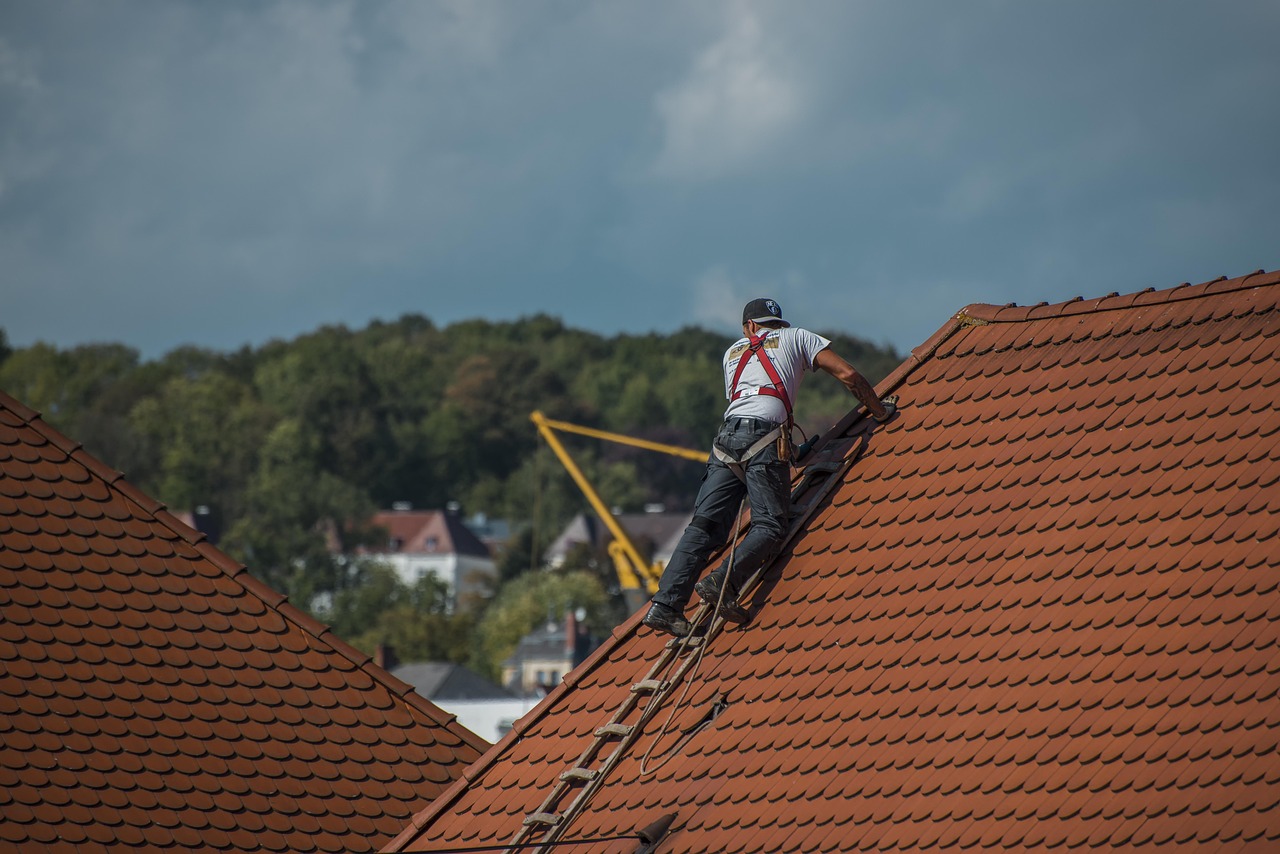


⚡ TL;DR: Discover a step-by-step roadmap for roof installation in Houston, from assessing local weather needs and selecting durable materials to hiring contractors and ensuring quality checks for lasting protection.
📋 What You’ll Learn
Discover a step-by-step roadmap for flawless roof installation in Houston, tailored to withstand intense heat, hurricanes, and heavy rains while boosting your home's longevity and value.
- Assess your roof's condition precisely by evaluating Houston-specific factors like storm damage, humidity effects, and structural integrity to avoid costly surprises during replacement.
- Select materials proven for Houston weather including impact-resistant shingles, high-wind underlayment, and heat-reflective options that endure our extreme climate year-round.
- Vet and hire top Houston contractors using certification checks, local references, and licensing verification to ensure skilled, reliable pros handle your critical project.
- Master the full installation process from complete tear-off, precise layering, flashing details, to final sealing for a leak-proof, durable roof that lasts decades.
- Conduct thorough quality checks with weatherproofing tests, inspections, and warranties to guarantee performance against Houston's winds, floods, and scorching summers.
📖 Reading time: 7 min
✍️ Author expertise: Houston-licensed roofer with 20+ years of field experience installing storm-resilient roofs for local homeowners.
You're staring at a sky turning black over Houston, thunder rumbling as that tropical storm rolls in fast. Your brand-new roof? It's holding strong, no drips, no panic, just peace while the neighborhood scrambles with buckets and tarps.
But that's not the story for most Houston homeowners chasing a "quick fix" install. They end up with warped shingles, leaks from shoddy flashing, and repair bills that hit like a hailstorm.
We've mapped out the no-BS roadmap to a roof that laughs at our brutal heat, winds, and downpours. Let's dive into the steps that turn chaos into a bulletproof shield over your head.
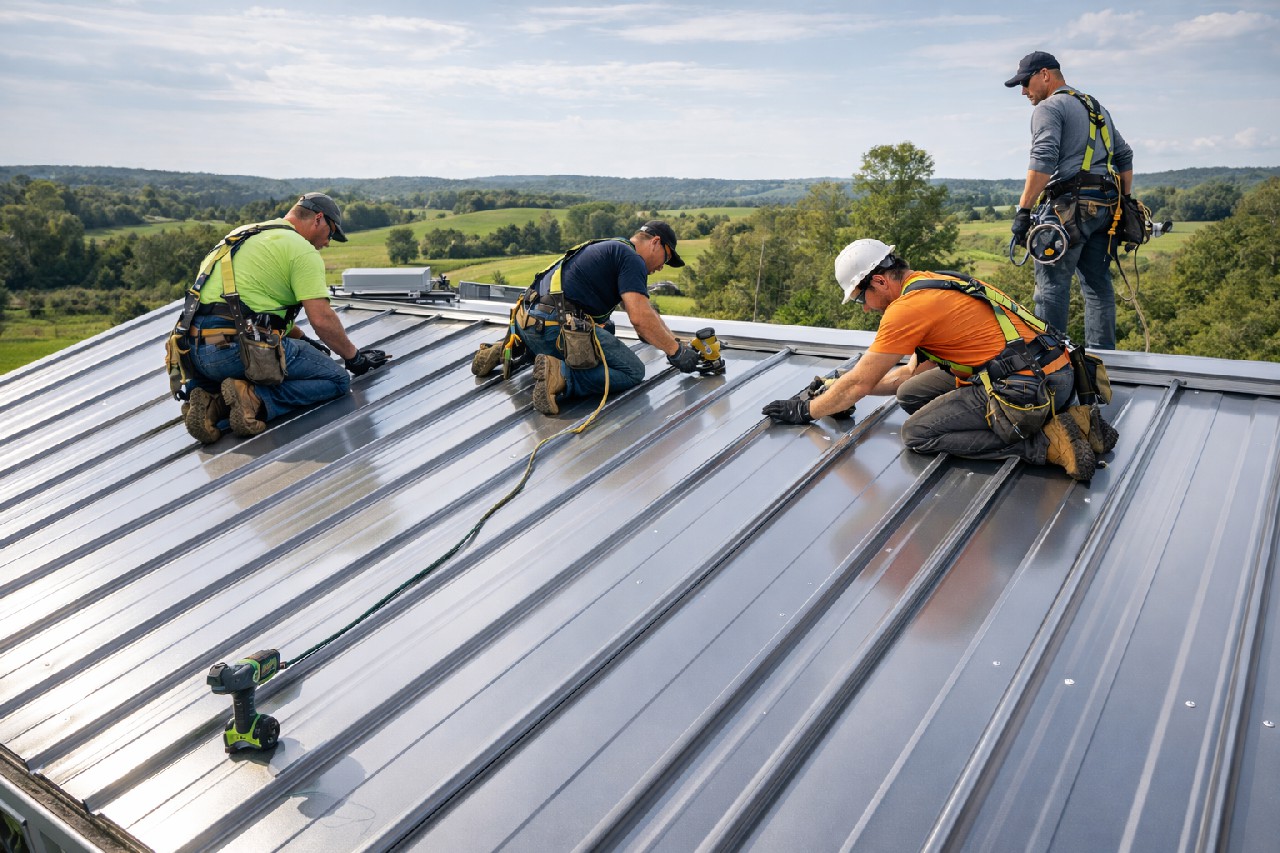
Step 1: Assess Your Roof's Condition and Houston-Specific Needs
Before you drop a dime on new shingles, grab a ladder and inspect your current setup. Look for cracked or missing shingles, sagging spots, or granules piling up in your gutters. This tells you if a full tear-off beats a patch job.
Houston's weather punches hard. Think 100-degree scorchers buckling asphalt, gale-force winds from tropical storms ripping edges, and hail that dents like buckshot.
Quick Houston Roof Check List
- Check attic for daylight leaks or mold from humidity traps.
- Scan flashing around chimneys and vents - prime leak zones here.
- Measure pitch: Steeper roofs shed water faster in our downpours.
- Note tree overhangs; falling branches during storms spell disaster.
Skip this step, and your "new" roof fails fast. Document everything with photos. Share with contractors for spot-on quotes.
Step 2: Select Durable Materials Built for Houston's Heat, Wind, and Storms
Houston's weather doesn't mess around. Scorching summers bake roofs brittle. Sudden 100 mph gusts from hurricanes rip off cheap shingles like paper.
Skip the big-box store junk. Go for materials tested in hellish conditions like ours. They cost more upfront but save you thousands in fixes later.
Top Picks That Survive Houston's Fury
- Class 4 impact-rated asphalt shingles: Crush hail up to two inches. Look for Miami-Dade approvals for wind resistance over 130 mph.
- Galvalume metal roofs: Zero rust in our humid soup. Reflect heat to keep your AC bill sane.
- Granule-surfaced underlayment: Blocks moisture before it sneaks in. Essential under every layer.
Check warranties. Aim for 50-year ones on shingles, lifetime on metal. Ask your contractor for samples, feel the weight difference yourself.
Pro tip: Match materials to your home's pitch and style. Steep roofs love metal. Flatter ones need heavy asphalt with starter strips.
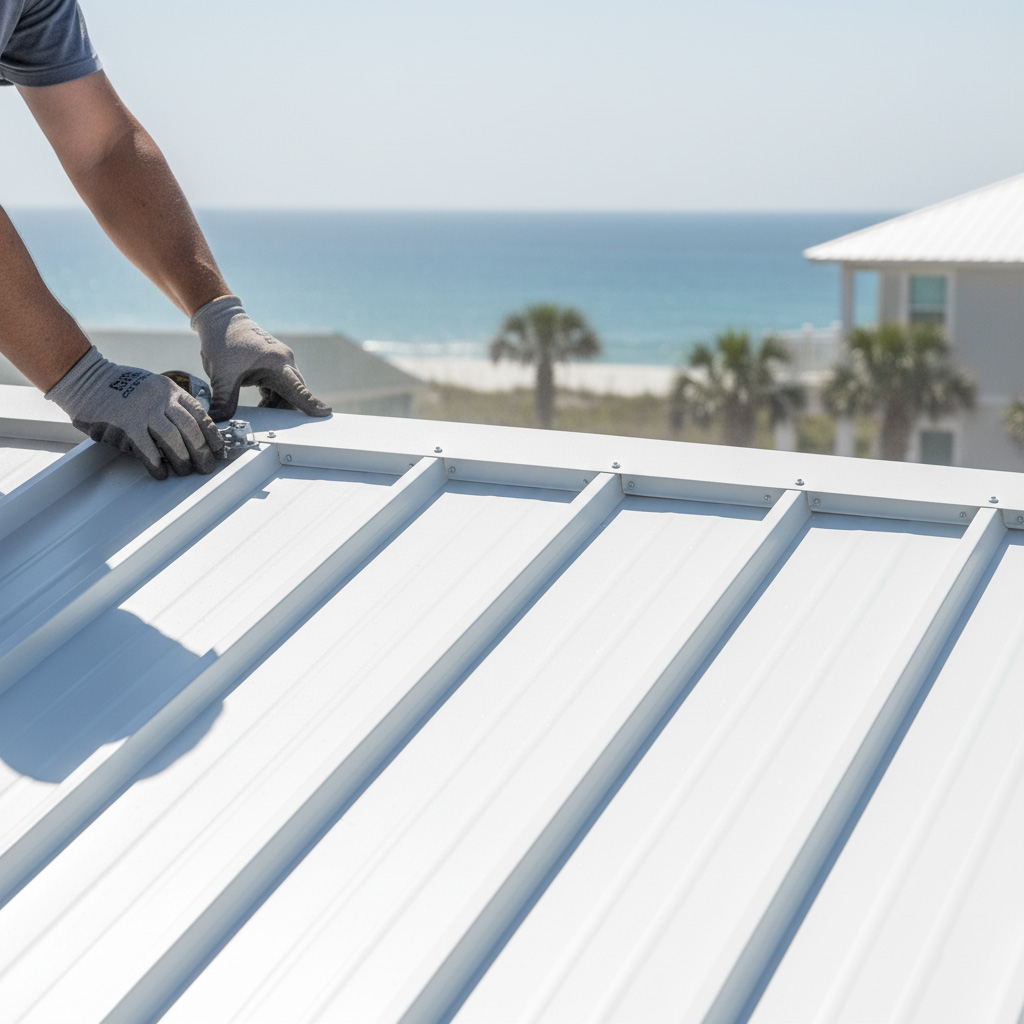
Step 3: Vet and Hire a Certified Houston Roofing Contractor
Picture this: You pick the wrong crew, and your "new" roof turns into a money pit faster than a Gulf squall. Shoddy work means leaks during Harvey-level rains. Don't hand your home to just anyone.
Start with the basics. Demand proof of a Texas Roofing Contractors Association certification and full liability insurance. No license? Walk away now.
- Verify active license on the Texas Department of Licensing site.
- Ask for worker's comp docs. Uninsured crews spell disaster if someone falls.
- Check BBB ratings and recent Google reviews from Houston locals.
Probe Deeper: Houston Storm Savvy Counts
Generic roofers flop here. Insist on crews battle-tested against our 100-degree scorchers and 70-mph gusts. Grill them on past jobs in Houston Heights or Meyerland.
Call three references. Ask: "Did they show up on time? Handle surprises without upcharges?" True pros spill no secrets but deliver straight answers.
Get three bids. Compare apples to apples, not lowball traps. Sign with the outfit that explains every nail like it's your own roof.
Step 4: Master the Precision Installation Process from Tear-Off to Finish
Day of the install hits. Your crew doesn't slap on new shingles over the old mess. They tear off everything down to the deck, hauling away rot and debris that could sabotage your new roof.
Clean deck? Check. Now they inspect for damage. Any soft spots get repaired with plywood or OSB, nailed tight against Houston's gale-force winds.
Layer It Right: Underlayment, Ice Dam, and Shingles
- Roll out synthetic underlayment or felt paper. No skimping; it seals out moisture from those endless Gulf rains.
- Hit valleys and eaves with ice-and-water shield. This sticky beast bonds to the deck, stopping leaks cold.
- Starter strip along edges. Nails hit the high nail zone only, locking shingles against 130-mph gusts.
Shingles go up in rows, staggered perfectly. Each nail? Six per shingle, driven straight, no over or under. Flashing around chimneys and vents gets soldered or sealed airtight.
Ridge caps crown it off with vented ridges for killer airflow. Kicks hot Houston air out before it turns your attic into a sauna. Miss this, and you're begging for premature failure.
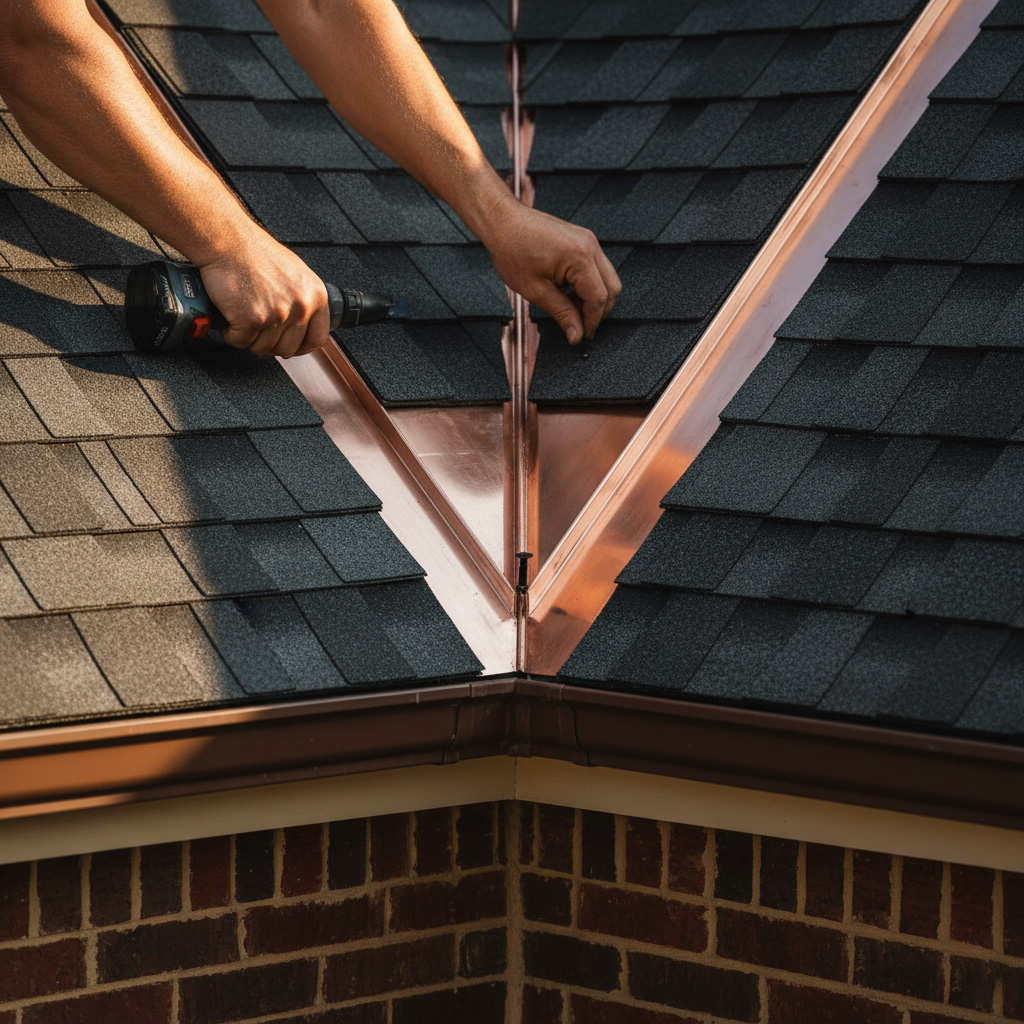
Step 5: Implement Rigorous Quality Assurance and Weatherproofing Checks
Your roof's up, but don't call it done yet. Skimp here, and Houston's next hail barrage turns your "investment" into a sieve. True pros treat this like the final boss level.
Visual and Structural Walkthrough
Grab a ladder. Circle the whole roof. Look for loose nails, crooked shingles, or gaps wider than a finger.
- Check flashing around chimneys and vents – no cracks, full seal.
- Scan ridges and valleys for overlaps that actually grip.
- Spot-test granule loss on new shingles. Zero tolerance.
Water doesn't care about "good enough." It finds the tiniest flaw. Test it.
Waterproofing Stress Tests
Fire up the hose. Blast edges, valleys, and penetrations for 30 minutes straight. Watch inside for drips.
- Probe all seals with a hose nozzle – mimic that tropical downpour.
- Inspect gutters post-test. Flow smooth? You're golden.
- Final thermal scan if possible. Catches hidden air pockets.
Document every pass. Your contractor signs off. Now your roof's battle-tested for Houston's wrath.
Case Study: Reviving a Storm-Battered Houston Bungalow with Flawless Results
Meet Maria, a longtime homeowner in Houston's Heights neighborhood. Her 1950s bungalow took a brutal hit from Hurricane Beryl—missing shingles, water stains everywhere, and wind damage that left gaps big enough for raccoons.
She skipped the fly-by-night crews. Instead, Maria followed our roadmap step-by-step.
Step 1: The Assessment
- Inspected for hidden rot from years of humidity.
- Measured pitch and overhangs against Houston wind codes.
- Spotted weak spots from past leaks.
Steps 2-4: Materials and Precision Work
Chose impact-resistant asphalt composites rated for 150 mph gusts. Crew tore off three layers down to the deck—no shortcuts. Installed synthetic underlayment, then nailed shingles with six nails each for that lockdown grip.
Steps 5-6: Checks and Closeout
Ran water tests on every valley and flashing. Thermal imaging caught a sneaky hotspot. Six months later? Zero leaks through another tropical downpour. Maria's energy bills dropped 15%, and her roof warranty? Ironclad for 50 years.
Final Words: Secure Your Home's Future Today
Your Houston home deserves a roof that stands up to the chaos. Skip the shortcuts. Follow this roadmap, and you'll dodge the disasters that plague most folks here.
Ready to get started? Dive into our Roof Installation services or hit us up for a no-obligation inspection. We've got the crew and the know-how to make it happen right, first time.
- Call now: Beat the next storm before it hits.
- Spot check your roof: Use our quick assessment tips from Step 1.
- Lock in that peace of mind. Your future self will thank you.
People Also Ask
How long does a typical roof installation take in Houston?
A standard asphalt shingle roof installation in Houston usually takes 1-3 days, depending on roof size, complexity, and weather conditions. Larger or more intricate projects, like tile roofs, may extend to 5-7 days. Professional Houston roofers streamline the process with efficient crews to minimize disruption to your home.
What is the best roofing material for Houston's climate?
Architectural asphalt shingles or metal roofing are ideal for Houston's intense heat, high winds, and frequent storms due to their durability and impact resistance. These materials meet local wind codes up to 130-150 mph and reflect heat to lower cooling costs. Avoid cheaper options that fail quickly in humid, stormy conditions.
How much does roof installation cost in Houston?
Average costs range from $8,000 to $20,000 for a 1,500-2,000 sq ft roof, influenced by material choice, pitch, and labor. Houston-specific factors like storm-resistant upgrades add value but increase price slightly. Get multiple quotes from certified local contractors for the best deal without sacrificing quality.
How do I choose a reliable roofing contractor in Houston?
Look for contractors licensed by the Texas Department of Licensing and Regulation, with GAF or CertainTeed certifications and strong reviews on Google or BBB. Verify insurance, warranties, and experience with Houston's building codes for wind and hail. Avoid low bids that cut corners—prioritize proven track records in storm recovery projects.
What should I check after a new roof installation in Houston?
Inspect for proper flashing around chimneys, vents, and edges to prevent leaks during heavy rains. Ensure granules are intact, no exposed nails, and debris is cleared from gutters. Schedule a final walkthrough with your contractor to confirm weatherproofing meets Houston's stringent storm standards.

Houston Roofing provides expert roofing services tailored to Houston's unique climate challenges. With extensive experience in installations, repairs, and maintenance, the team serves residential and commercial clients throughout the area. Committed to the local community, Houston Roofing prioritizes durable solutions for Houston properties.
Need Roofing?
Swift roof repairs and replacements for leak-free protection in Houston, TX and nearby areas (77002, 77008, 77084, 77494, 77380).
Get Roofing Quote