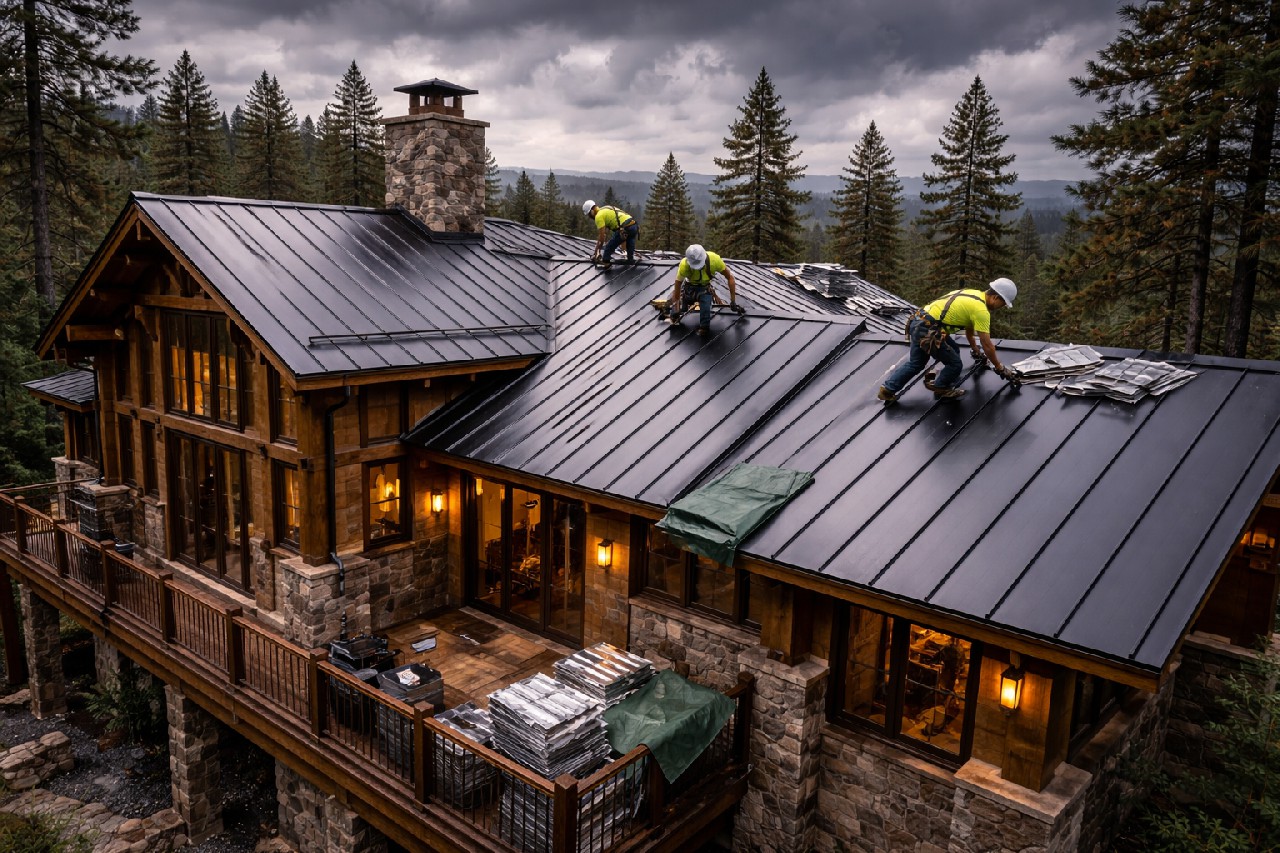


⚡ TL;DR: This guide shares six secrets for asphalt shingle roof installation in Houston, TX, to enhance hurricane durability through high-wind materials, proper nailing, and ventilation.
📋 What You’ll Learn
Discover 6 proven secrets for installing asphalt shingle roofs in Houston, TX, that stand up to hurricanes like Harvey, from material choices to pro techniques for wind resistance.
- Select high-wind rated shingles engineered for Houston hurricanes to resist blow-offs and ensure long-term durability in extreme Gulf Coast weather conditions.
- Upgrade to synthetic underlayment for superior waterproofing that blocks wind-driven rain, outperforming felt in Houston's intense tropical storm assaults.
- Nail with 6 per shingle using pro techniques to secure against 130 MPH gusts, a field-tested method from Houston roofers surviving major hurricanes.
- Install hurricane-approved starters and ridges to seal vulnerable edges perfectly, preventing uplift and leaks during ferocious wind events in Texas.
- Boost ventilation to fight uplift by optimizing airflow, keeping shingles locked down amid hurricane pressures proven in real Houston installations.
📖 Reading time: 7 min
✍️ Author expertise: Houston TX roofing contractor with 15+ years of hands-on hurricane-proof asphalt shingle installs.
Houston homeowners know the drill: hurricane season hits, winds howl at 100 mph, and suddenly your roof's the star of a demolition derby.
One weak spot in those asphalt shingles, and you're staring at leaks, repairs, and a soggy mess that costs thousands.
But what if your asphalt shingles in Houston, TX could laugh off the storm? I've got the 6 battle-tested secrets for hurricane durability that top installers swear by.
Keep reading to lock in a roof that stands tall, no matter what Mother Nature throws at it.
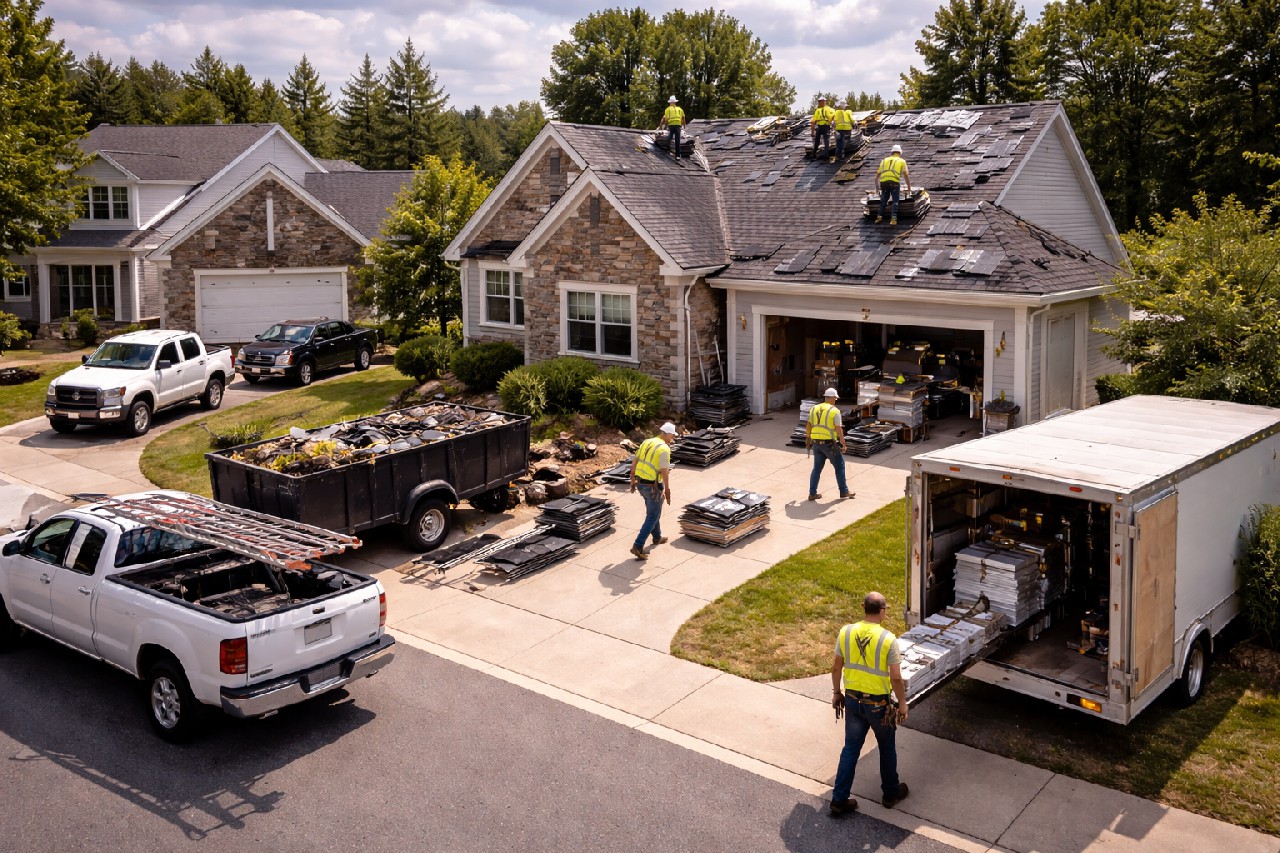
Secret #1: Select High-Wind Rated Asphalt Shingles Built for Houston Hurricanes
Standard asphalt shingles crumple under Houston's brutal hurricane gusts. They lift, tear, and fly off like paper in a tornado. Pick the wrong ones, and your roof turns into Swiss cheese after the first big blow.
Go for high-wind rated shingles tested to withstand 130 mph or more. Look for Class H impact resistance under UL 2218 standards. These beasts hold firm when lesser shingles bail.
- WindProven or GAF Timberline HDZ: Locked-in warranties up to 150 mph.
- Owens Corning Duration: Self-sealing strips that grip nails tighter in storms.
- Check the label: Must say "high wind" or "hurricane rated" for Texas code.
Your roofer should pull these from suppliers like ABC Supply in Houston. Skip cheap imports. Demand proof of third-party testing right there on the packaging.
Secret #2: Upgrade to Synthetic Underlayment for Ultimate Leak Protection
Skip the old-school felt paper. It soaks up water like a sponge and tears easy in Houston's brutal winds.
Synthetic underlayment changes the game. It's lightweight, grips nails tighter, and sheds water faster than anything else.
Why It Crushes Hurricanes
- 110 mph wind resistance: Stays sealed when shingles lift and slam back down.
- Tear-proof grip: No rips from flying debris during storms like Harvey.
- Breathable design: Dries quick, kills mold before it starts in our humid climate.
One layer of this under your asphalt shingles in Houston, TX blocks leaks that flood basements. Top crews demand it for jobs holding up to 130 mph gusts.
Cheap felt? That's a repair bill waiting to happen. Go synthetic, sleep through the storm.
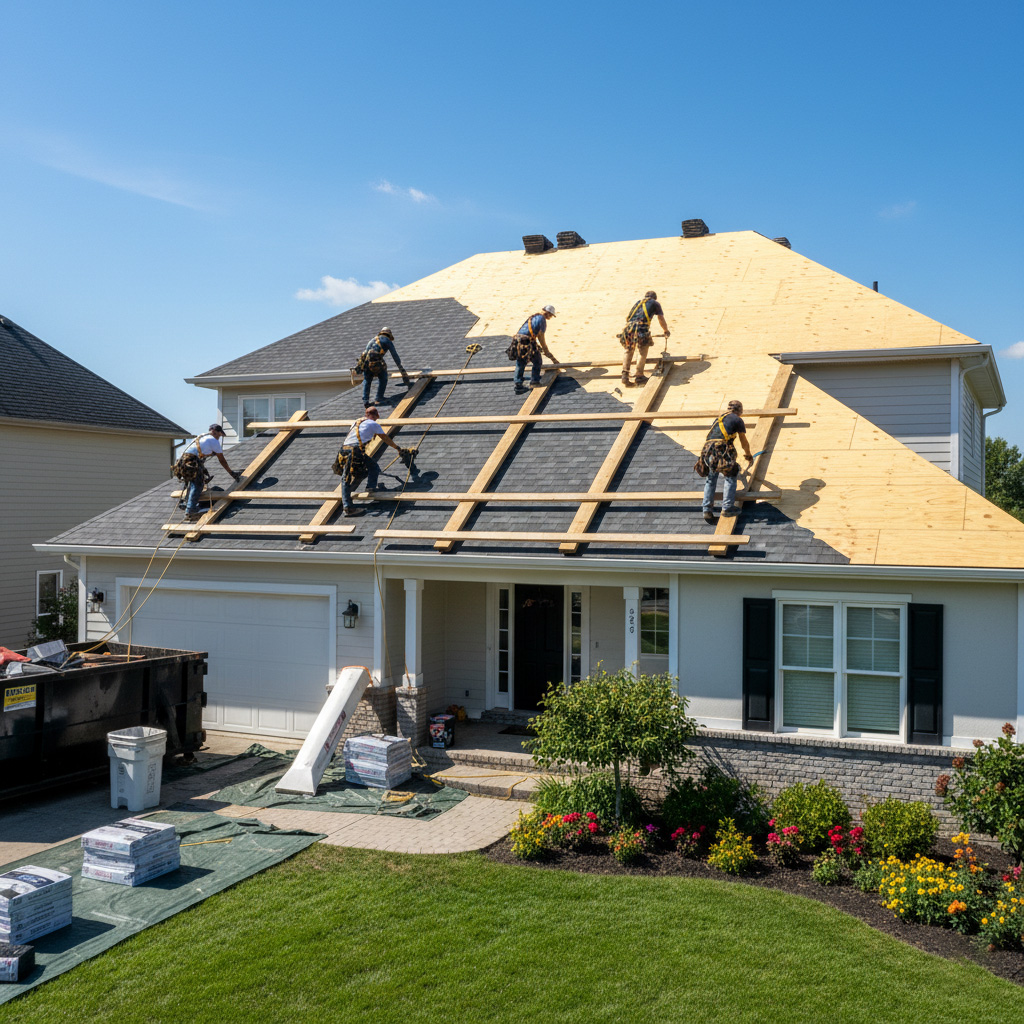
Secret #3: Nail Like a Pro – 6 Nails Per Shingle to Resist 130 MPH Gusts
Standard roofs get four nails per shingle. That's fine for a breeze. But in Houston? Hurricanes pack 130 mph punches that rip shingles loose like paper.
Pros hammer in six nails per shingle. This locks them down tight against wind uplift. Follows strict codes from the International Building Code for high-velocity zones.
Where to Nail for Max Grip
- Drive nails 1 inch above sealant strip.
- Space them evenly: two per end, two in middle.
- Use 1.25-inch galvanized nails. No shortcuts.
Wrong placement? Shingles flutter and fly. Done right, your roof shrugs off gusts like Harvey's worst.
Skip this, and leaks start fast. Nail it pro-style, and you're hurricane-proofed.
Secret #4: Install Hurricane-Approved Starters and Ridge Caps
Starters go at your eaves. They seal the edge where wind loves to pry. Skip cheap ones, and gusts rip shingles right off during Houston storms.
Hurricane-approved starters lock down with self-sealing nails and wider nailing zones. Look for GAF WeatherBlocker or CertainTeed's SwiftStart – tested to 130 mph. These bad boys glue themselves under pressure, blocking rain and wind infiltration.
Don't Forget Ridge Caps
- Standard caps? They flutter and fail in high winds.
- Hurricane-rated ones like Timberline HDZ have reinforced seals and steeper profiles.
- They grip ridges tight, stopping uplift that shreds peaks first.
Pro tip: Match your starter and ridge to shingle brand for warranty coverage. One mismatch, and claims get denied fast. Your roof stays sealed when Harvey 2.0 hits.
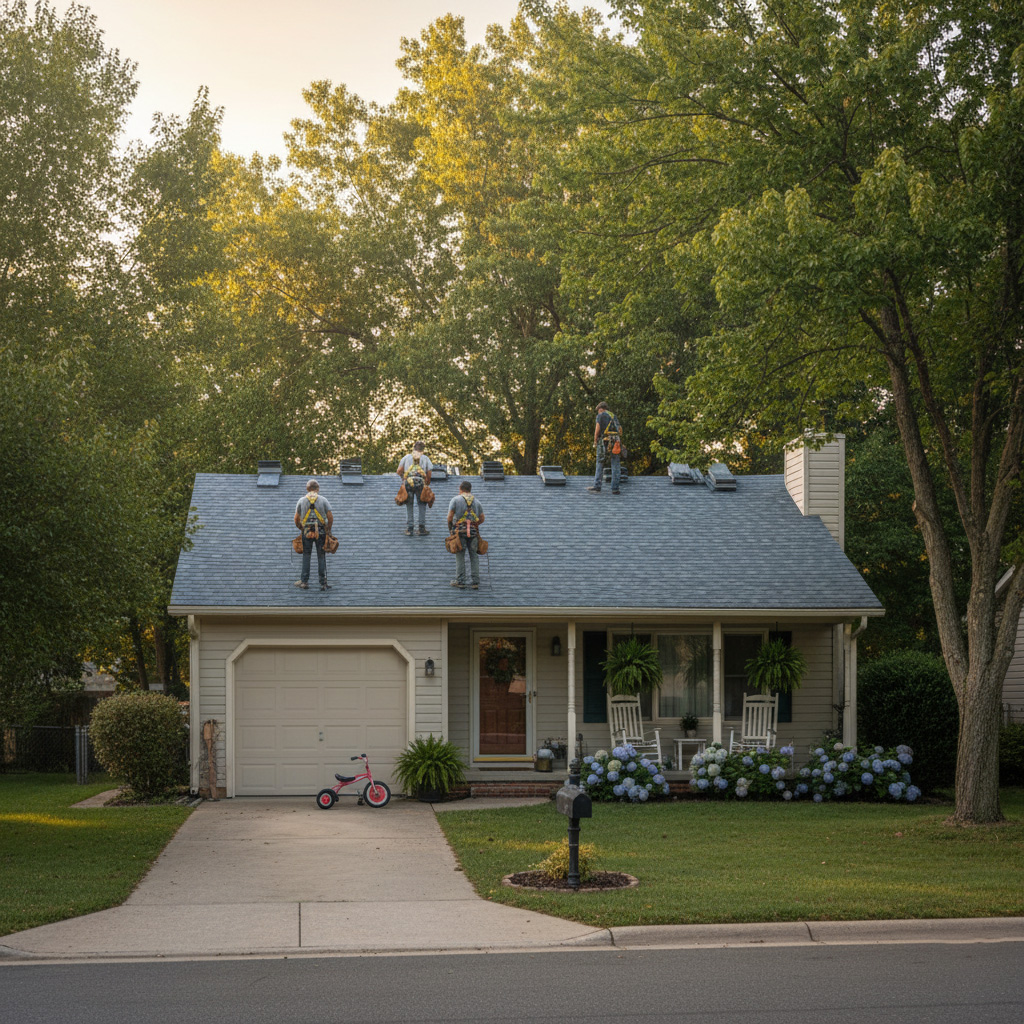
Secret #5: Boost Ventilation to Stop Deadly Wind Uplift
Wind doesn't just batter your roof. It sucks shingles right off during gusts, creating deadly uplift that rips everything apart.
Poor ventilation traps hot Houston air under your deck. Shingles bake, dry out, and turn brittle - prime targets for flying off in a storm.
Fix it fast with proper intake and exhaust vents. Aim for that sweet spot: 1 square foot of net free ventilation per 150 square feet of attic space.
- Install ridge vents at the peak for hot air escape.
- Add soffit vents along the eaves for cool air pull-in.
- Skip those cheap plastic ones - go metal or baffled for storm-proof flow.
Result? Cooler attic. Flexible shingles that hug tight against 130 mph blasts. No uplift, no disaster.
Houston Case Study: Asphalt Shingles That Conquered Hurricane Harvey
Picture this: August 2017. Hurricane Harvey slams Houston with 130 mph winds and 50 inches of rain. Neighborhoods in Katy and Cypress turned into rivers.
One homeowner, Mike T., ignored the hype. He went with basic asphalt shingles. Result? His roof peeled off like wet paper. $25,000 repair bill.
The Survivors: Roofs That Fought Back
Across the street, the Johnsons played smart. They used high-wind rated shingles, nailed six per shingle, and synthetic underlayment.
Their roof? Not a single leak. Shingles stayed put through the fury.
- Key factor: Hurricane-approved starters locked edges tight.
- Ventilation upgrades killed wind uplift.
- Ridge caps sealed the top like a vault.
Inspectors later confirmed it. Homes with these upgrades stood strong. Others crumbled.
Mike's lesson hit hard. Proper install turns asphalt into armor. Harvey proved it.
Final Thoughts
Houston roofs take a beating every hurricane season. These six secrets turn standard asphalt shingles into unbreakable shields. Skip them, and you're rolling the dice on disaster.
Top installers in Houston, TX live by these tactics. They deliver roofs that shrug off 130 mph gusts and pounding rain. Your home deserves that kind of toughness.
- Pick high-wind shingles rated for our storms.
- Layer synthetic underlayment.
- Nail with six per shingle.
- Use approved starters and caps.
- Max out ventilation.
Ready to bulletproof your roof? Dive deeper into pro tips at our Asphalt Shingle Roof Installation page. Or hit us up today for a free inspection that spots weak spots before the next big blow lands.
People Also Ask
Are asphalt shingles durable enough for Houston hurricanes?
Yes, high-wind rated asphalt shingles, such as those rated for 130-150 MPH winds, are engineered specifically for hurricane-prone areas like Houston. They feature reinforced construction with thicker mats and impact-resistant granules to withstand severe gusts and flying debris. Proper installation using these shingles ensures long-term protection against storms like Hurricane Harvey.
What is the best underlayment for asphalt shingle roofs in Houston?
Synthetic underlayment is the top choice for ultimate leak protection in Houston's humid, hurricane-heavy climate. Unlike traditional felt, it offers superior tear resistance, waterproofing, and breathability to prevent wind-driven rain from infiltrating. This upgrade significantly extends roof life by blocking moisture that could lead to mold or rot.
How many nails per shingle for high-wind asphalt roof installation?
Experts recommend using 6 nails per asphalt shingle to resist 130 MPH gusts in Houston. This "6-nail technique" secures the shingle edges and center, preventing uplift during hurricanes. It's a code-compliant method that boosts overall roof integrity far beyond standard 4-nail installations.
Why are hurricane-approved starters and ridge caps important for asphalt shingles?
Hurricane-approved starters and ridge caps seal the roof edges against wind and water intrusion in Houston storms. They feature adhesive strips and reinforced designs that lock shingles in place, resisting blow-off. Using these prevents common failure points at eaves and ridges during high winds.
How does proper ventilation help asphalt shingle roofs survive Houston hurricanes?
Adequate ventilation reduces wind uplift by minimizing heat buildup and pressure differences under shingles during storms. In Houston's hot climate, it prevents ice dams and shingle deterioration while allowing hot air to escape. This secret ensures shingles stay adhered, avoiding costly storm damage.

Houston Roofing delivers expert roofing services to Houston-area homeowners and businesses. With extensive experience in installations, repairs, and maintenance, the team addresses the region's unique climate challenges. Proudly serving Houston, TX, they focus on reliable, local solutions.
Need Roofing?
Swift roof repairs and replacements for leak-free protection in Houston, TX and nearby areas (77002, 77008, 77084, 77494, 77380).
Get Roofing Quote